“Having commenced by service in early youth, and continued it since with few and short intervals, I have witnessed the great difficulties to which our Union has been exposed, and admired the virtue and intelligence with which they have been surmounted.”
James Monroe, 1824.
James Monroe is best remembered for the Monroe Doctrine, which he delivered as part of his annual message to Congress in 1823. When he delivered his address nearly all Latin American colonies of Spain had achieved or were in the process of achieving independence from the Spanish Empire. Monroe was sympathetic to Latin American revolutionary movements and did not want Spain, or any other European colonial power, to attempt to regain control there. The Monroe Doctrine stated that any European intervention or attempts at colonialism in the Americas should be considered a hostile act against the United States. It additionally expressed Monroe’s desire for America to maintain a level of separatism from conflicts in Europe. Although largely ignored by European powers initially, the Monroe Doctrine came to be one of America’s longest-standing tenets and has been invoked by both statesmen and presidents since its delivery. Two years later, at 67, Monroe finished his second term and retired with his wife to Oak Hill, their Loudon County estate. Monroe was elected to serve on the Board of Visitors for the newly-opened University of Virginia, alongside Thomas Jefferson and James Madison. After Elizabeth’s death in 1830 Monroe moved to New York City to live with his daughter, Maria. Monroe died on July 4, 1831, 55 years after the proclamation of the Declaration of Independence and five years after the deaths of other former presidents John Adams and Thomas Jefferson. Monroe was originally buried in New York City, but was re-interred in 1858 in Richmond, Virginia.
Timeline:
- 1823: Delivers message to Congress containing the Monroe Doctrine
- 1825: Retires from the Presidency
- 1827: Elected to University of Virginia Board of Visitors
- 1829: Member and President of the Virginia Constitutional Convention
- 1830: Death of Elizabeth Monroe
- 1830: Moves to daughter Maria’s home in New York City
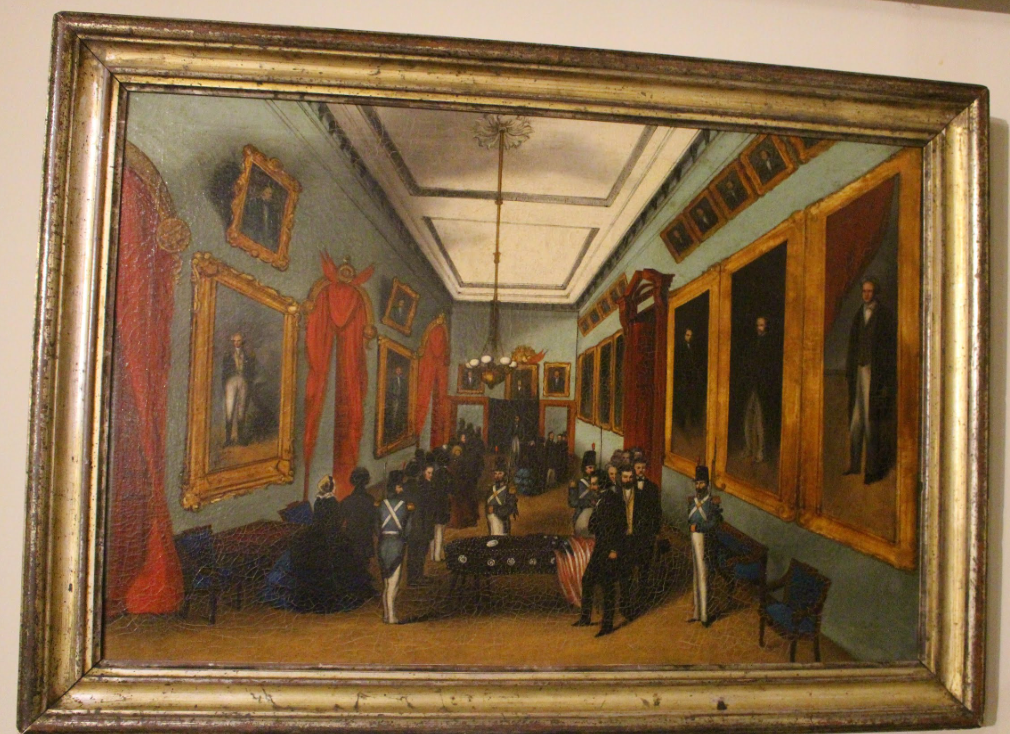
- 1831: Dies in New York City on July 4; buried in New York City Marble Cemetery
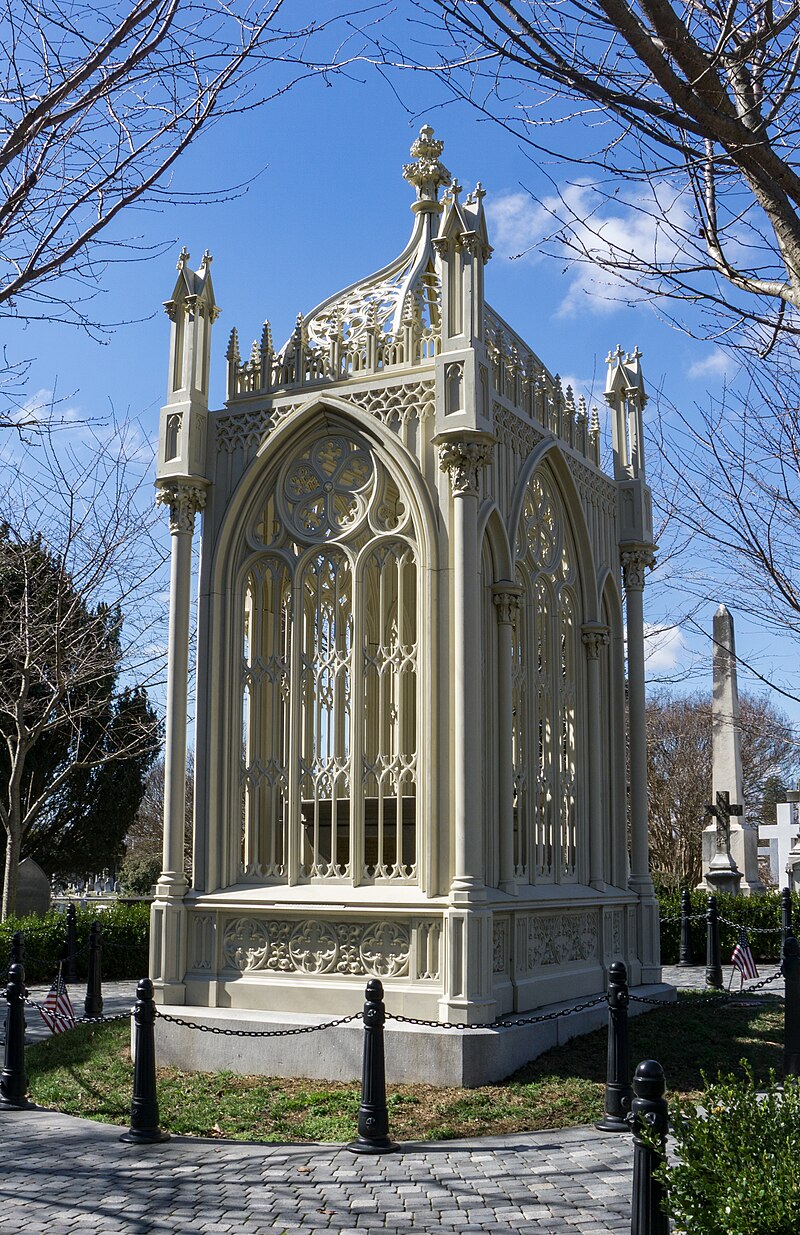
- 1858: Re-interred in Hollywood Cemetery, Richmond, Virginia

You must be logged in to post a comment.