by Hannah Hendricks, Bowley Scholar (2025-26)
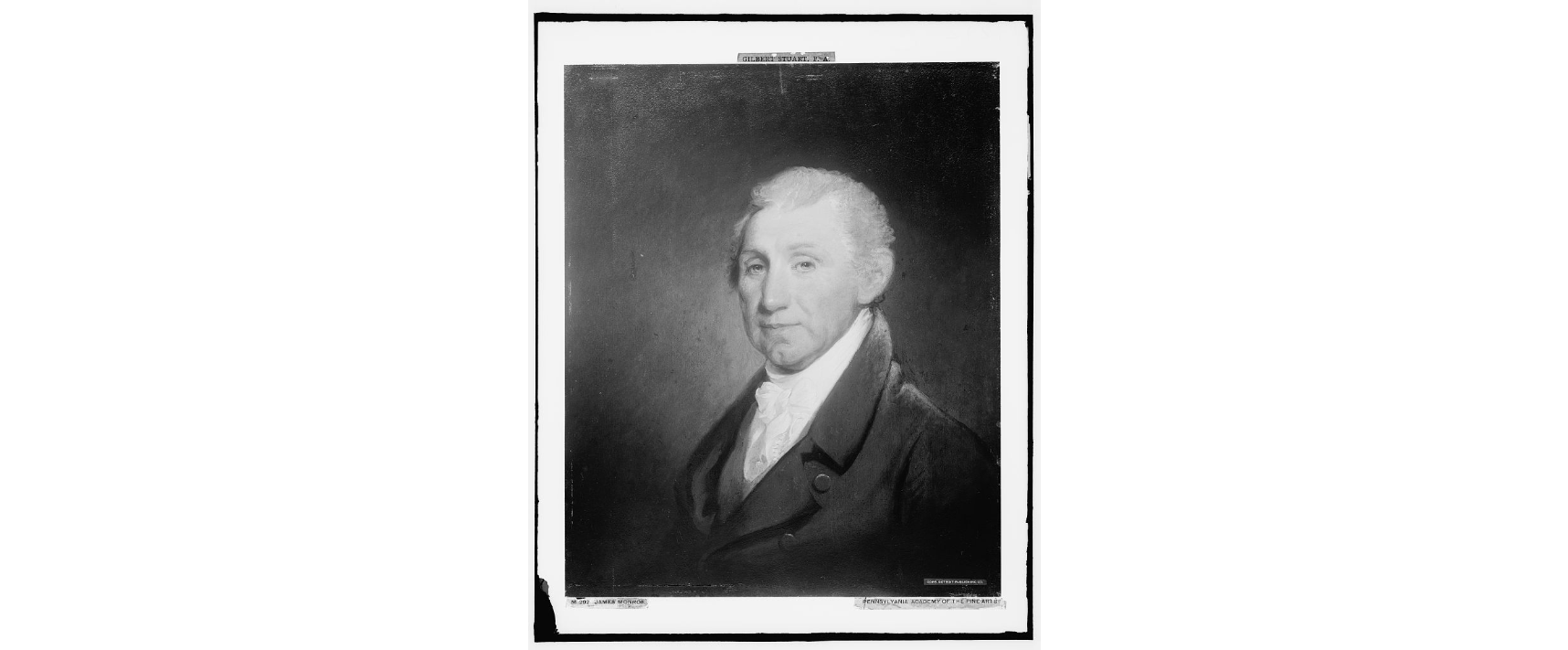
When the United States declared its independence and entered into a war with the global superpower Great Britain, France was the young country’s first ally. James Monroe, as a soldier of the Revolution and friend of the Major General Marquis de Lafayette, never forgot the aid provided by the French military nor the unwavering support of the French people. When Monroe was elected as a United States Senator representing the Commonwealth of Virginia in 1790, the Senate was divided in debate over the state of the French Revolution. Though it had initially drawn sympathy from the majority of Americans, the increasingly violent methods of the revolutionaries in France began to cause concern and the withdrawal of public support, and these sentiments were reflected in the Senate debate. In this country, the Federalists had started to view the French Revolution as a danger to societal structure, but the Republicans viewed the upheaval as an extension of the American Revolution. Monroe, a Republican, remembered France’s aid during the American Revolution and firmly believed America must support France in return. He praised the new French constitution, signed in 1791, which returned power to its “rightful proprietors:” the people.
Monroe was appointed as the American Minister to France in 1794 because of his outspoken pro-France beliefs. The French Revolution and a continued conflict with Great Britain had left France’s government in a very uncertain state, and when Monroe and his family arrived in August of 1794, the government was entirely in disarray. Upon reaching Paris, Monroe found that the government was in such an uproar that there was no one to accept him as the American minister, and he was forced to present himself to them after residing in the city for nearly two weeks. Living amid all this chaos and disorganization in a new country left Monroe feeling untethered and overwhelmed, and he was desperate to hear from home—updates from friends and family, but more importantly, guidance from Washington and the Cabinet on how he should proceed. Many of the letters Monroe wrote during his time in France expressed his desire for increased correspondence and direction from Washington and his sense of disconnection from his superiors.
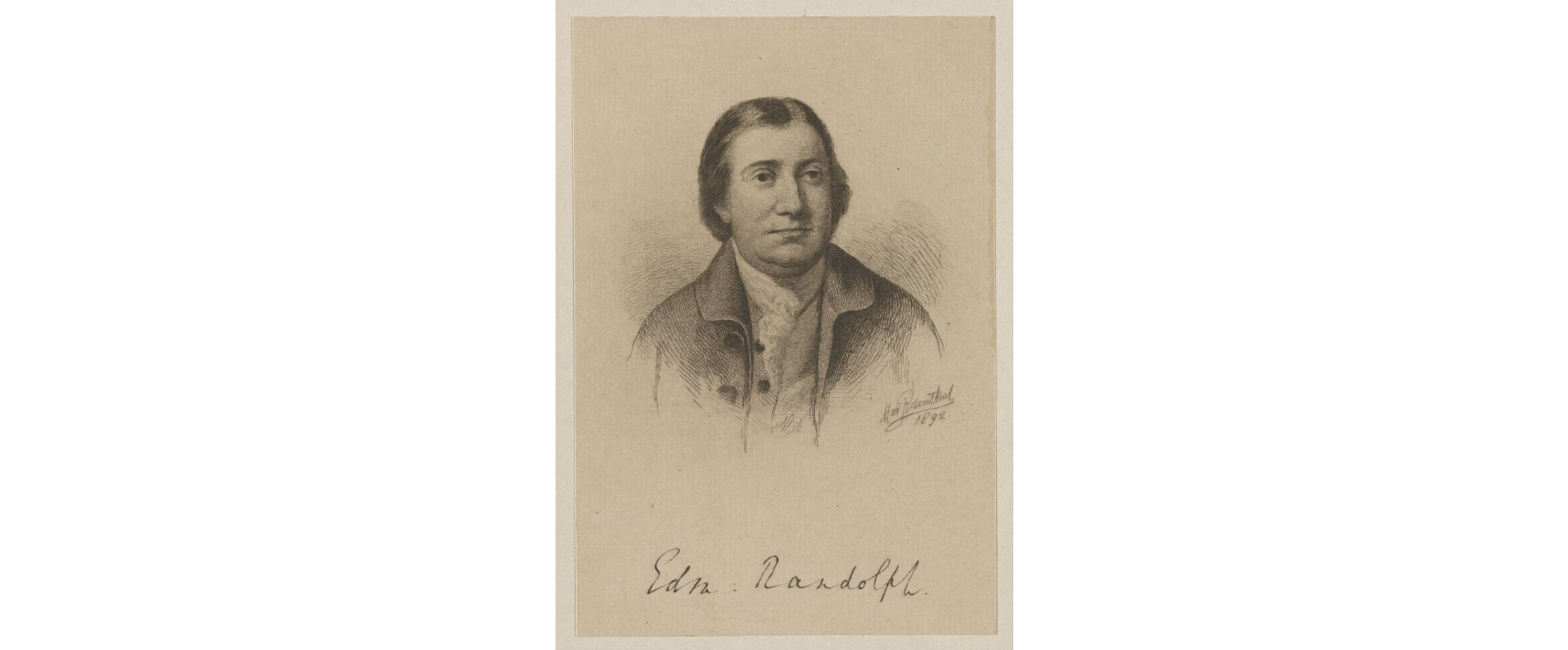
Tensions were rising between France and Great Britain on the principles of revolutionary political ideologies, and America was trying to remain neutral. Neither Britain nor France was willing to respect the rights of a neutral country to trade with their enemies, and both countries seized American ships bound for enemy ports. To ensure the rights of American neutrality, President Washington sent Monroe as Minister to France, and John Jay as Minister to Great Britain, to push the countries to respect existing treaties of amity and commerce and assure them that America would remain neutral in case of war. Monroe was wary of this assignment because he knew that Britain was, and would remain, America’s most important trading partner. Monroe believed the Federalists, including Jay, valued the British alliance over that with France, but Secretary of State Edmund Randolph sent him overseas with the instruction that in the case of war, America would consider France as its first and most important ally. Randolph also assured him that John Jay was forbidden to weaken relations between America and France in his role as Minister to Great Britain.
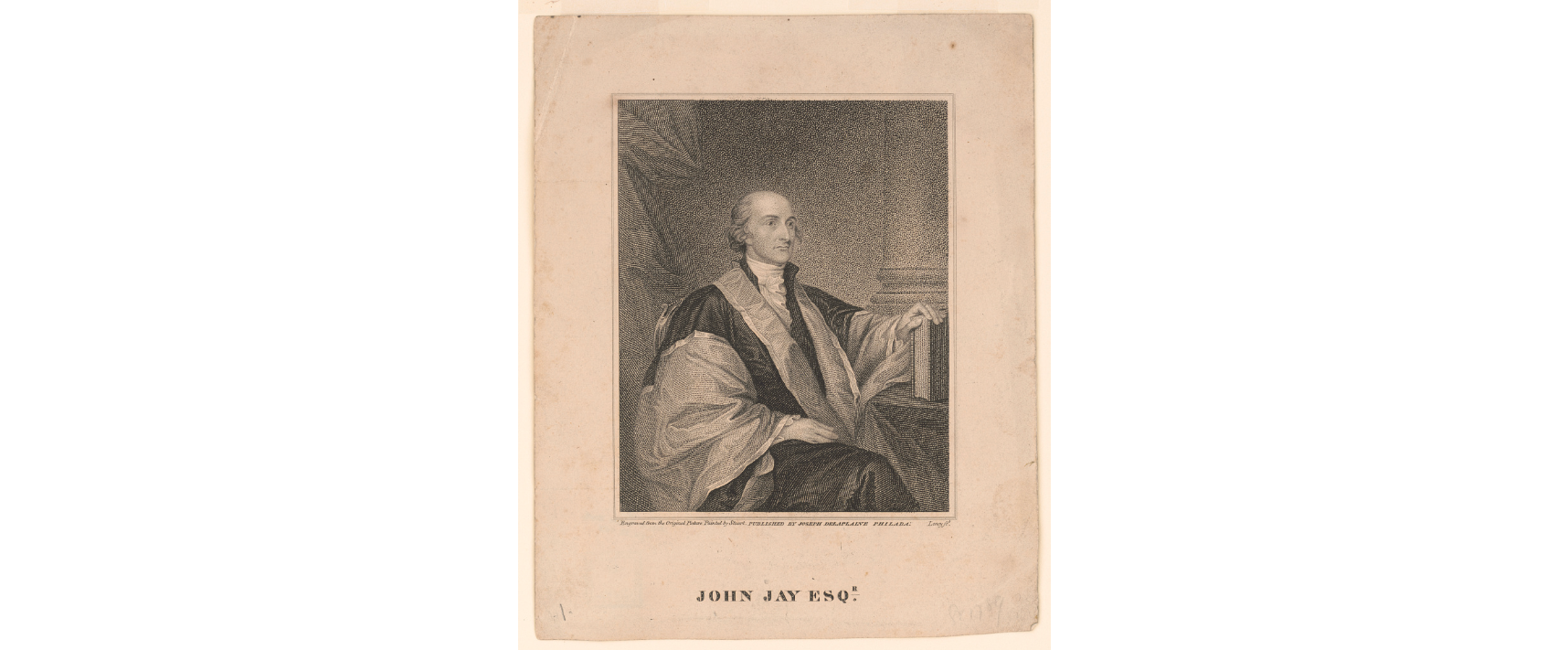
Great Britain was the global superpower of the time, as well as being America’s biggest trade partner and largest source of revenues, so John Jay’s role as Minister to Great Britain was an influential one. In his second year abroad, Jay helped to write a treaty between England and the U.S., which limited America’s rights as a neutral country and greatly favored Great Britain’s wishes and anti-French sentiments. Jay signed the treaty, though it wasn’t advantageous for the United States, and it was ratified by the Senate and signed by the President to ensure a continuation of peace between America and England. Federalists in Washington and John Jay in London argued that the Jay treaty had not violated any of the stipulations of existing French treaties, but the French government was not pleased. Monroe had tried to obtain an advance copy of the treaty to convey to the French government but had not succeeded, and when the French discovered the terms of the Jay Treaty, they declared that the alliance between France and the U.S. had ceased to exist. As tensions rose and the situation became more fraught, pressure on Monroe grew, and he became increasingly desperate for guidance from Washington, but little came across the ocean.
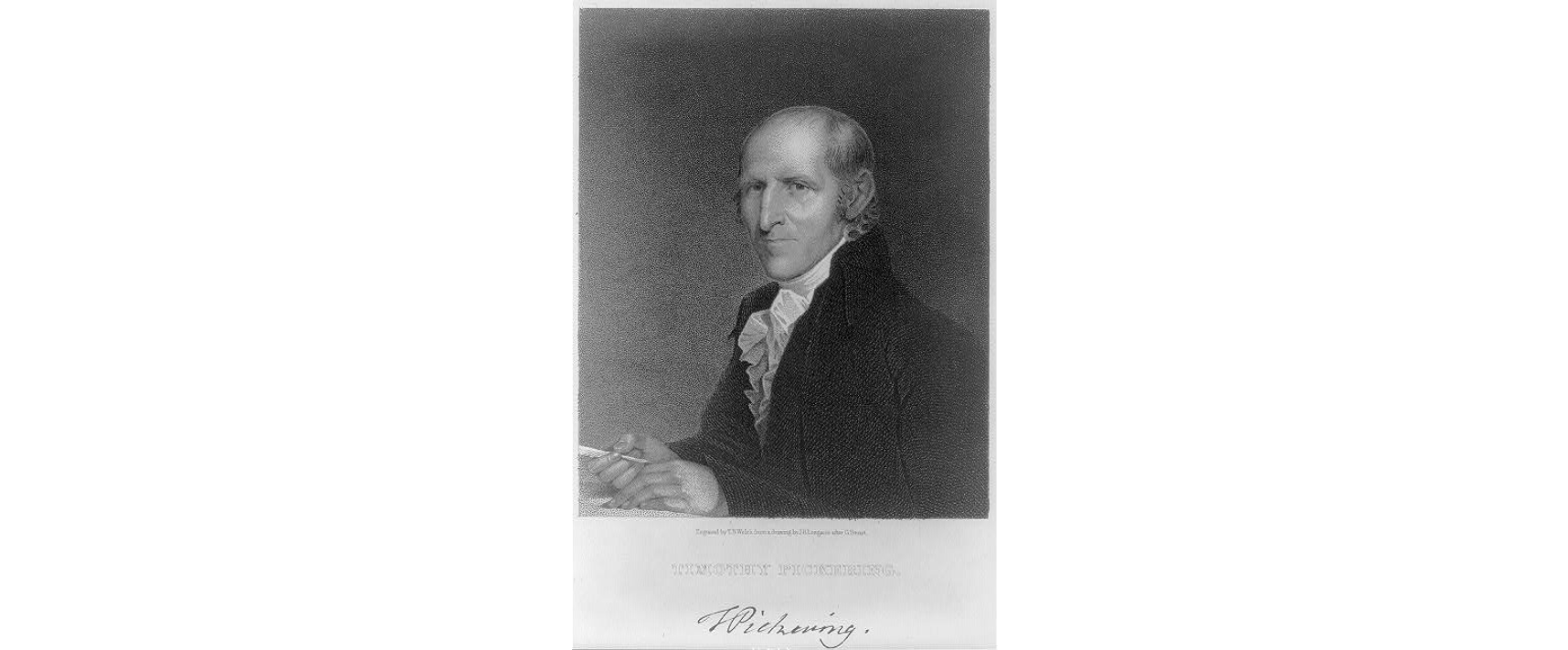
The French government severed its diplomatic relations with the United States in response to the ratification of the Jay Treaty, and though it would cost him his job, Monroe believed the decision to be amply justified. Turnover in Washington’s Cabinet around the same time brought Timothy Pickering, a Federalist who was strongly in support of the Jay Treaty, into the role of Secretary of State. Monroe had always supported Republican policies while in France; therefore, Pickering believed he had not done enough to defend the Jay Treaty to the French. After many heated letters were sent back and forth across the Atlantic, Pickering recalled Monroe as Minister to France, ending his term of service in September of 1796. Monroe wrote back to him, furious at his dismissal and furious that Pickering had accused him of a “neglect of duty” in France, but he followed his orders and left France.
During his time as Minister to France, Monroe obtained French recognition of American neutrality, promoted peaceful trade between the countries, established warm diplomatic relations, and established America as a diplomatic presence among the greatest nations. He served to the best of his ability out of loyalty to his country and remembrance of France as America’s first and greatest ally.
Sources
Clarfield, G. H. (1969). Timothy Pickering and American Diplomacy, 1795-1800. University of Missouri Press.
Leibiger, S. E. (2012). A Companion to James Madison and James Monroe (1st ed.). Wiley-Blackwell.
Monroe, J. (2003). The Papers of James Monroe (D. Preston & M. C. DeLong, Eds.). Greenwood Press.
Perkins, J. B. (1911). France in the American Revolution. Houghton Mifflin.
Unger, H. G. (2009). The Last Founding Father: James Monroe and a Nation’s Call to Greatness (1st Da Capo Press ed.). Da Capo Press.
All images sourced from the Library of Congress.
You must be logged in to post a comment.